Graves' vs TED
- posted: Oct. 22, 2024
Understanding the Difference Between Graves' and TED
If you have been diagnosed with Graves’ disease or thyroid eye disease (TED), it helps to understand how the conditions are connected and how they differ. While the two often co-occur, they have distinct symptoms and treatments. Read on for a breakdown of Graves' vs. TED and how an ophthalmologist can help.
Graves' Disease: An Autoimmune Disorder
Graves' disease is an autoimmune disorder that leads to hyperthyroidism, or an overactive thyroid. The immune system mistakenly attacks the thyroid, causing the thyroid to produce excessive hormones. This results in symptoms like anxiety, heart palpitations, fatigue, and unexplained weight loss.
Graves' disease is typically treated with medication, radioactive iodine therapy, or surgery. An endocrinologist will determine the right treatment approach to get thyroid hormone levels balanced again.
TED Causes Eye Changes
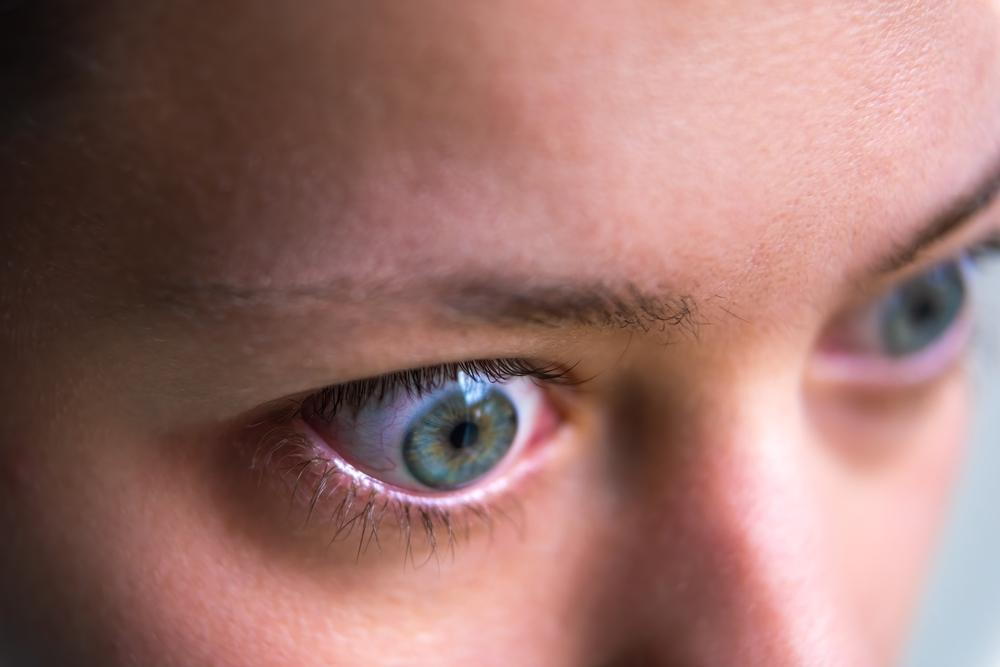
Thyroid eye disease (TED) also results from the autoimmune attack on the thyroid. But rather than causing thyroid dysfunction, TED leads to inflammation of eye muscles and fatty tissue behind the eyes.
TED symptoms affect appearance and vision, including bulging eyes, redness, light sensitivity, double vision, tearing, and gritty sensation. An ophthalmologist can provide treatments to manage TED eye changes and discomfort.
The Two Conditions Frequently Overlap
Since Graves' and TED have a common autoimmune cause, many patients develop both conditions together. One large study found that about half of Graves' patients also experience TED.
That said, it is also possible to have TED without an overactive thyroid or Graves' disease. The relationship between the two conditions is complex. Ongoing research aims to better understand it.
TED Can Develop Before or After Graves’
TED eye symptoms can emerge before, after, or at the same time as Graves' disease hyperthyroidism. Often TED appears 1-3 years after the thyroid imbalance starts, but the timing varies.
That is why it is important for Graves' patients to get routine eye exams with an ophthalmologist to look for any signs of TED. Early treatment improves outcomes.
Consult an Ophthalmologist Near You in Houston for TED Treatment
While endocrinologists treat Graves' disease systemically, ophthalmologists manage TED eye symptoms and complications. Treatments like eye drops, prisms, surgery, oral steroids, or immunosuppressants can provide relief. However, these are not the only treatments, there are clinical trials for new therapies underway.
Thyroid Eyes at the Eye Wellness Center in Houston, TX, has top ophthalmologists specially trained in TED. If you would like to learn more about our clinical trials, contact us at (713)-550-7877. We are dedicated to helping TED patients improve their eye health and vision.
Location
Hours of Operation
9:00 am - 4:00 pm
9:00 am - 4:00 pm
9:00 am - 4:00 pm
9:00 am - 4:00 pm
9:00 am - 4:00 pm
Closed
Closed